News


The Pawfect Dog Pancake!
Try our bakers’ recipe to make your four-legged friends the pawfect pancakes! Our homemade dog pancake recipe will certainly get tails wagging! Pancakes for dogs? Yes, please! Here’s our pawfect dog pancake recipe Follow our bakers’ pancake recipe to make your four-legged friends the pawfect treat! Into the mixing bowl: 1 medium egg 2tbsps buttermilk 2tbsps peanut butter (dog-friendly only – use xylitol free) ½ cup quinoa flour (naturally gluten free) 2tbsps quick-cook polenta (naturally gluten free) ½ tsp baking powder 2-3tbsps water (as needed) Oil (as needed) Method: Beat the egg in a bowl. Add the buttermilk, peanut butter, quinoa flour, polenta and baking powder. Mix all together. (The batter should be thick and able to drizzle off a spoon slowly). Add water if needed. Let the batter sit for 10 minutes. Heat a frying pan to a medium heat. Add a splash of oil to the pan. Spoon the pancake batter into the pan. Cook until the underside is golden brown (approx. 2 minutes) Flip the pancake and cook for an additional minute. Allow to cool. Snap a photo of your pancake for your dog and share it with us… …Let your lucky four-legged companion dig in to their dog-friendly pancake**Always supervise your dog when eating, and ensure your four-legged friend has lots of fresh and clean water on offer. This pancake for dogs recipe is a complementary pet food, intended as an occasional treat only.** Share your homemade dog pancake photos with our bakers on our social feeds! Facebook Instagram Twitter
Learn more
Are dogs good for mental health?
Mental health includes our emotional, psychological, and social well-being. It affects how we think, feel and act and helps determine how we handle stress, how we communicate with others and how we make choices. Our mental health can change over time depending on many factors and recognising the signs that your mental health is not quite on balance is of course important.A good place to start is to look out for: Irritation Uncertainty Lack of motivation Feeling overwhelmed Tired Trouble sleeping Trouble concentrating Pets for mental wellbeing It may be no surprise to us dog-lovers that pets have been proven to help reduce stress and anxiety. They also play a vital role in helping with loneliness, of course, we know our four-legged friends make the best companions.This, combined with dogs requiring regular exercise, fresh air, and long meaningful walks means that keeping in these routines will benefit both you and your pet.Having an animal around your home can really help improve your mental well-being – they can help reduce stress, anxiety, depression and encourage playfulness as well as other physical activity.Caring for an animal can also help stimulate the mind, as it means you have another focus point other than yourself. Also, they provide unconditional love, and their presence is known to help reduce the heart rate which of course also helps with mental stimulation.From a scientific perspective, playing with a pet, particularly a dog, helps increase levels of serotonin and dopamine, which are neurotransmitters in the brain that can aid in calming and relaxing. How can pets help improve my mental health: Having a dog can help increase your physical exercise which alone will help improve your mental stimulation and ability to tackle stress anxiety and switch off more easily. Owning a dog also provides companionship. Those who are struggling with their mental health through loneliness or isolation can really find some comfort in owning a pet. Pets can add a social dimension to your life. By getting out and about with your dog means that you are more likely to meet other people. You could take your dog to training classes where other like-minded dog owners will be training their pooch the same as you – providing an opening for conversation and stimulation with others. Dogs are also known to help reduce blood pressure. By spending time with an animal and looking after them, you can reduce your blood pressure, making you feel calmer and less stressed. Dogs in the workplace Researchers have conducted various tests to understand the effects on mental health, productivity, and stress levels by allowing dogs into workplaces. The evidence showed that having dogs within a workplace can improve staff morale, increase job satisfaction, and alleviate stress.More than 90% of businesses that allow dogs into the workplace have seen a positive change in the working environment. Dogs are also brilliant for client relations and for adding a little quirk to your working environment.Allowing dogs in the workplace isn’t just good for our own mental health, but also for our four-legged friends too! Dogs are always going to be happier if they can spend an extra 9-hours of the day with you, compared to being left at home for this period of time. Dogs that struggle to cope on their own and therefore are subject to separation anxiety can really benefit from being in a workplace surrounded by other individuals. Hopefully, we’ll see lots more workplaces adopt this in the near future! Therapy dogs Therapy dogs, often known as comfort dogs, are trained to support a person’s mental well-being. Their key training focuses on teaching them how to provide affection, comfort, love, and attention to their owners. Oftentimes, you will find therapy dogs within retirement homes, nursing homes, hospitals and hospices where individuals may require their extra comfort and support.
Learn more
What colours can dogs see?
Did you know that your four-legged friend’s vision is quite different to your own? Find out why dog toys are usually the same two colours and the best clothes to wear when training your pup! What colours can dogs see the most? Did you know due to our four-legged friends having dichromatic vision (the ability to see only one or two colours), the colours that are most appealing to them are blue and yellow? However, colours such as red or green are most likely to be simply perceived as a different shade of grey!You may notice that many dog toys come in different shades of blue and yellow and you might find that your dog is more attracted to toys of this colour. So, is your four-legged friend’s favourite toy blue or yellow? Or perhaps their favourite treats is a certain colour? We’d love to know via our socials! Furthermore, our furry-friends are more likely to see what we would class as ‘hues’ of different colours. Where we would see a colour to be bright, most of the colours that dogs see are more gentle shades of these brighter colours. Why may it be important to understand what colours dogs can see? When it comes to training your dog, it can be useful to understand the colour vision they have so that you can select objects, dog toys and dog treats that they will best respond to. Blue and yellow are also easily identifiable against most background colours; for example, when training on grass the grass is going to look like a dull shade of grey and the yellow/blue toy will stand out to your dog – hopefully making dog training just that little bit easier. You may also notice many dog handlers wear blue or yellow clothing, this again is for the purpose of adding to that visual stimulation for your pup! What is the difference between human eyes and dog eyes? Humans have a three-cone retina – which essentially just means we can see a vast array of different colours, hues, shades and vividness. Dogs, on the other hand, only have two-cone retinas. The difference here is that they can still pick up colours, but they are just less vibrant, and they can only really establish two main shades.
Learn more
Arthritis in Dogs.
Arthritis in dogs is the same as arthritis in humans, it affects the joints causing inflammation, swelling and pain. Arthritis occurs in unhealthy joints where the bone ends rub together. This means that when a dog is on the move friction is caused, therefore resulting in pain. There is no real cause for arthritis in dogs, as with humans, but some dog breeds and humans are simply more susceptible to the condition – although there are things that can be done to help reduce the chances of developing arthritis at an older age. Dogs can suffer with arthritis just like us humans – but how can we help? Arthritis in dogs is the same as arthritis in humans, it affects the joints causing inflammation, swelling and pain. Arthritis occurs in unhealthy joints where the bone ends rub together. This means that when a dog is on the move friction is caused, therefore resulting in pain for our pooches. There is no real cause for arthritis in dogs, as with humans, but some dog breeds and humans are simply more susceptible to the condition – although there are things that can be done to help four-legged friends reduce the chances of developing arthritis at an older age. What dog breeds are more susceptible to arthritis? Generally speaking, larger dog breeds are most susceptible to arthritis. In Pugs or Chihuahuas, for example, the cases of arthritis are relatively low. Those that are more susceptible to arthritis are as follows: Labradors Springer Spaniels German Shepherds Golden Retrievers Rottweilers Bernese Mountain dogs Dogs that are prone to injury, for example working dogs or high-activity dogs, also have a higher chance of developing arthritis in later stages of their lives, due to more demand being put on their joints. Symptoms of Arthritis in Dogs. The symptoms of dog arthritis are very much the same as in humans so, if you yourself are affected by arthritis, it may be quite easy to spot in your furry companion. However, if you are not familiar with arthritis, the PDSA Vets suggests the following signs to look out for: Stiffness or slowing down Limping/lameness Reduced energy Biting at painful joints Reluctance to jump or climb stairs Enlarged or swollen joints. If you think your furry-friend may be suffering with arthritis symptoms or if you have any concern about their health, please contact your veterinarian for advice and guidance. How to manage arthritis in dogs If you spot any of the symptoms listed above and have cause for concern that your dog may have arthritis, the best thing to do is seek your vet’s advice. Human medication to treat arthritis is not safe for dogs and can lead to fatalities, so you must always seek professional vet advice and dog-friendly medication if that is required. Typically, dog arthritis is managed with dog-safe anti-inflammatories. Despite there being no current cure for arthritis, managing the pain is a possibility that can ensure your dog lives a more fulfilling and happy life. You can also include joint supplements to their diet, which can be introduced at any time, so if your dog is on the list of most susceptible dog breeds, you may want to introduce these into their diet from a younger age to help maintain healthy joints and bones. Much like in us humans, sleeping on the floor is no good for our joints, and this can be the same for dogs. Ensure that from a young age your dog has a comfortable place to sleep, whether this is during the day or night, as this will help take pressure off their joints. Investing in a comfortable dog bed, or an orthopaedic dog bed (especially good, as they’re specifically tailored for taking pressure off joints) is certainly worth-while. Here is our top tips to preventing arthritis in dogs. Ensure your dog gets plenty of activity. Dogs that are inactive or who do not get sufficient exercise can often develop stiffness of their joints at a younger age, which can then lead to arthritis down the line. Dogs love to go for a walk or play fetch and getting out into the great outdoors to bond with your pup while exercising, can be brilliant fun and beneficial for you both Help your dog maintain a healthy weight. Do not overfeed your dog and ensure that they are fed a nutritious diet. Try to include joint-friendly treats or supplements to their diet from a young age. Our super tasty Chewy Boosts are perfect (containing glucosamine, chondroitin and other great ingredients for joint care) and can be fed to any dog over the age of 12 weeks. Ensure your dog has a place to rest. Whether it be your bed or their own, you need to ensure they are not frequently sleeping on a hard floor. Never allow your four-legged friend to get and stay too cold. If you are bathing them or going out on wet walks always, always ensure that you are drying your pet off properly, so that they are not shivering. The cold can get into your pet’s joints and lead to deterioration. If you have any concerns about your dogs health or mobility, please contact your veterinarian for advice.
Learn more
Is grain free food good for puppies?
Before you head out to buy a bag of grain free puppy food for your new arrival, you may be asking yourself, is grain free food good for puppies? As a responsible owner, you first need to understand what grain free puppy food is, and why you might need it. Does my puppy have a grain intolerance? Before you head out to buy a bag of grain free puppy food for your new arrival, you may be asking yourself, is grain free food good for puppies? As a responsible owner, you first need to understand what grain free puppy food is, and why you might need it. If you are concerned that your puppy is intolerant to grains and needs to have a grain-free diet, there are a number of signs to look out for; Inflamed skin Recurrent itchiness and licking of the skin Rashes or sore spots Hair loss or bald patches of fur due to excessive scratching Excessive flatulence Loose stools, or mucus visible in stools Vomiting These symptoms can be worrying, especially in a puppy, so we recommend taking them to your vet for a check up if you notice one or more of these signs. The vet will be able to run tests and rule out any other causes, while offering advice on nutrition for your pup. It’s important to check with your vet before making any big changes to your dog’s diet. Once you have decided to go for grain free puppy food for your littlest family member, what’s the next step? What is grain free puppy food? Grain free puppy food simply means that it doesn’t include any type of grain, such as wheat, spelt, barley, rye, durum and oats. This also excludes gluten-free grains like corn, rice and millet. TIP: Remember, all grain-free puppy foods are gluten free, but not all gluten-free puppy food is grain free! To replace these grains in puppy food, substitutes such as vegetables and potatoes are used to keep the food healthy and balanced. But be aware – not all grain free puppy foods are properly balanced for nutrition and can be filled with artificial replacements to bulk them out. Whenever asking yourself ‘is grain free food good for puppies?’, it’s always important to check the ingredients and make sure your puppy is only getting the best! Good quality grain free puppy foods will contain enough fibre to keep your puppy healthy, which grains normally provide. Check for ingredients such as pumpkin, sweet potato or carrots which are high in fibre. Is grain free puppy food better? Puppies, like children, need a lot of care and attention when they are little and still growing. Ensuring they get the right balance of nutrition, vitamins, interaction and exercise are all very important. Puppies grow very fast – 20 times faster than an adult dog – and so they need food that is specially made for their tummies. For a grain intolerant puppy, that means getting the right healthy balance of what they need in every meal. Unlike adult dogs, who often eat just twice a day, puppies will need between four and six small meals throughout the day, until they are around 6 months old. The smaller, regular meals means that your puppy won’t overeat and give themselves a tummy ache – something which puppies are very prone to doing if given the chance! For puppies with an intolerance to grain, you need to select a puppy food that balances all the nutrition and energy they need, with something that will not make them poorly. Best grain free puppy food Every dog is different, and puppies have complex needs. But if you know you need a grain free alternative to normal puppy food, you want to find the best available. Laughing Dog’s grain free puppy food was made specifically for this purpose – to provide a balanced meal for puppies who need a grain-free diet. TIP: If your puppy is grain intolerant, remember that this also applies to treats. You’ll need to ensure your pup is only getting grain-free dog treats. Is grain free food good for puppies? If you have any questions regarding Laughing Dog’s grain-free puppy food, please get in touch.
Learn more
Guide on how to remove a tick from my dog
Every dog owner’s nightmare… ticks! Here are our quick tips on how to remove a tick from your dog and preventing a tick infestation. How to remove a tick from my dog: Know how to identify a tick correctly and safely. Use a special tick remover device (available from pet shops or online) to remove the creepy crawly. Safely dispose of the tick (you don’t want it crawling back onto your dog or into your home!). Spray your home and dog with tick repellent (there are some pesticide-free tick sprays available). Keep an eye on your dog for any signs of illness / seek advice from your vet. Dogs are naturally inquisitive and as you’re probably already realising, they get into everything and anything! Long grass, woodland floors, brambles and hedges…these damp and dark areas can be a fun adventure for any dog, especially when they are puppies. But discovering that a dog has ticks, and trying to remove a tick from a dog, can be a very stressful and overwhelming experience for you and your four-legged friend. How to remove a tick from your dog Ticks can be carriers of some very serious diseases (including Lyme Disease) so it’s important to know how to recognise a tick, and remove a tick from your dog quickly and safely. What is a tick? Ticks are small in size, grey-brown in colour and egg-shaped. They jump on to a dog and then attach to the skin in order to suck your dog’s blood. (A quick google and you can see some examples of what to look for!). As they fill with blood, the ticks become bigger and darker, which is when it is easiest to spot them. By running your hands through your dog’s fur, you can easily feel a tick if they are large enough. Sometimes, however, they can be hard to spot, so by gently opening up the fur you can have a good check of your pup’s skin. How do I remove a tick from my dog? Once you’ve identified ticks in your dog (it might be one or several), you need to carefully remove the tick from your dog using a special tick remover. This special device will allow you to very carefully twist the tick off your dog, ensuring you don’t snap or squeeze the tick’s body (leaving the head inside your dog or allowing the tick’s blood to come into contact with your dog’s skin, can lead to infection). Once you’ve located the tick, it’s time to remove the tick from your dog. Gently part your dog’s fur so that you can easily see and reach the tick. With puppies, it can be best to wait until they’re having a nap or offer a distraction with dog treats..! Get your tick remover and slowly push it under the tick (Blue Cross has a really handy visual for you to use to check your technique or see the video below).When you have a good grasp of the tick, twist it in a clockwise direction several times until the tick comes loose. Next you need to examine your dog’s skin and make sure the tick is completely removed (ensure there is no head left in your dog’s skin). If the tick is still crawling, you can be sure you’ve got it out in one piece. Get rid of the tick by putting it in alcohol or popping it in tissue and flushing it down the toilet. Then wash your hands to ensure you are not contaminating yourself. You may want to spray your home and pet with a special tick repellent spray to help prevent ticks from attaching. As ticks can spread disease, you need to keep an eye on the area over the next few days/weeks for any signs of infection. If you are at all unsure on how to remove a tick from your dog, call your vet for advice. What if I cannot remove a tick from my dog? Sometimes if a dog has been foraging, it is possible for them to get a face full of ticks (puppies in particular can be susceptible!). If this is the case and the idea of removing them one by one seems overwhelming, contact your vet who will be able to offer you a nurse consultation. The nurse can show you how to remove the ticks and/or give your dog some medication to kill the ticks immediately. How to remove a tick from a dog without tweezers? This method is not recommended as normal ‘human’ tweezers are not designed to remove ticks – instead, purchase a tick remover tool from your local pet shop or vets. How can I prevent my dog from getting ticks? There is no easy answer to this – as dogs do like to roam! Of course, it is best to try to prevent your dog from rolling around in long grasses and undergrowth, but the simplest method is to protect your dog from ticks using a treatment. Most vets and pet shops will offer a course of tablets/on the spot spray/tick collars to help provide protection from ticks. It is also a good idea to keep checking your dog for ticks on a regular basis. When ticks are feeding, they will become much bigger – and it can be easier to spot them in your pet’s skin. Run your hands over your dog’s body when you get back from a walk to check for them. They tend to attach themselves to areas around a dog’s head, neck, ears and feet. Where can I get advice on how to remove a tick from my dog? Your vet will be more than happy to offer further advice and tips on how to remove a tick. Many dog charities also offer a wealth of advice and videos to help you perfect your tick removal technique, as well as advice for protecting your own health.
Learn more
How to help a dog with anxiety?
March is the official “pet anxiety awareness month” so here at Laughing Dog we wanted to help educate dog owners on the signs of anxiety in their four-legged friends and ways of helping them cope with stressful situations. March is the official “pet anxiety awareness month” so here at Laughing Dog, we wanted to help educate dog owners on the signs of anxiety in their four-legged friends and ways of helping them cope with stressful situations. While March is the month of awareness, dog anxiety can happen at any time of the year for a few different reasons. Even dogs who do not commonly suffer from anxiety can be affected by certain triggers. Commonly dog anxiety is caused by loud noises such as fireworks, visits to stressful environments such as the vets, changes in the home or separation anxiety when left for long periods of time or for any period outside their normal routine. Signs of separation anxiety in dogs Unless you have a doggy-cam setup, you are unlikely to know that your dog has been experiencing separation anxiety until you return home. But on your return, the signs will likely be obvious. Often dogs who experience separation anxiety may become destructive around the house. Chewing on items, particularly ones which have your scent on them. They are likely to be scratching at doors if locked in a certain area and frequently drink excessive water and possibly even toilet inside the home. Other dogs will bark and howl for you to come back and will appear agitated, will pant, and salivate more than usual, which will be noticeable on your return. Is separation anxiety in dogs common? Every dog reacts differently to stressful situations, some dogs are totally fine with the sound of fireworks and will sleep solidly through them, while others are quivering wrecks with pet owners dreading early November each year. This is the same with separation anxiety, some dogs are more resilient to being left alone than others. But this last year has been a huge change is doggy routines, which is likely to cause a spike in separation anxiety. If pre-COVID you left your dog alone for your daily trip to the office without a second thought. After a long stint of working from home, your dog’s routine will have vastly changed, and they will have become much more reliant on your company. Many dogs who have been totally fine which being alone in the past are now more likely to experience separation anxiety. While separation anxiety is common in dogs, there are steps that can be taken to help. If your dog has been used to being alone from a young age and they have a regular routine with plenty of interaction in between periods of being left alone, separation anxiety is likely to decrease. How to help a dog with separation anxiety We teamed up with Dr Louisa Graham to get some insider information on how to help your four-legged friends. Try not to change their routine “It’s important you don’t change your pet’s routine too much and make sure you try and keep their routine consistent. If they are used to spending a lot of time with you, then try and give them some alone time. Dogs need to feel comfortable being alone to prevent behavioural issues such as separation anxiety when our daily routines change again by returning to work. Before you become busier post-lockdown, then continue to give them that space so they are used to it when it is time for you to go. Try and leave them alone in the house for short periods and build it up over time – a great tip is to associate this down time with something positive like a treat.” Add distractions Another great tip is to provide your dog with distractions, when dogs are bored or lonely, they will create their own games which may lead to inappropriate and destructive behaviour. When leaving the home many dog owners hide treats around their home or putting treats inside plastic bottles and cereal boxes for your dog to get out over time. The first 15-minutes of being on their own is usually the most critical time, so if this period is filled with distractions it can help calm your pooch, so they focus less on you leaving them. Increase interactions If you are aware your dog suffers from separation anxiety, try to increase your interactions with them, both before and after leaving them. Taking them for a good run around to get in some exercise before leaving them is a great way to tire them out, in hope that they will settle and sleep in your absence. Make sure you reward your pet on your return, with treats, interactive play, and plenty of fuss to express how well they have done on their own. Dogs react well to positive reinforcement, so if the behaviour of reward and extra playtime with their favourite person comes after being alone, the idea of separation becomes less daunting for them. What are the common causes of anxiety in dogs? Anxiety in dogs usually stems from the fear of the unknown, or a trigger that is associated with a bad experience for them. Commonly dogs experience anxiety for several things: Loud noises such as fireworks Being left alone Meeting new people Experiencing new places Travelling in cars Introduction of a new baby or pet While the cause of anxiety in dogs might be very different, there are a lot of techniques that can help for all causes. How to help a dog with anxiety First and foremost, it is important to understand the trigger, if it is something which can be removed, then this will instantly help your dog. However, learning how to help your dog is also important, long term anxiety can be dangerous for a dog so understanding the signs and what to do is important for a long and happy life. Positive reinforcement Regardless of the cause, positive reinforcement works well on changing your pet’s behaviour. If meeting new people is a worry for your dog, for example, ensure your visitors do not interact with your dog until the dog is ready. Being naturally inquisitive, even the most timid or anxious of dogs will eventually get a little closer to your guest. At this time, make sure your visitor is poised with treats to encourage a positive message. This works for same for trips to the vets, loud noises or being left alone. Instilling reward and repetition for experiencing the stressful situation will eventually help over time. Be prepared for no quick fix There is no quick fix for anxiety in dogs and some dogs will never get over the fear of fireworks for example. In these situations, it is always best to just be there, create a safe environment for them and never leave them alone. Just your presence can really help to calm dogs’ nerves. Spoiling them with soothing treats can also work wonders, Laughing Dog’s Sleep Tight treats are packed with soothing ingredients such as chamomile and ginger which can relax and calm your four-legged friend. Allow your dog to go at its own pace If you are introducing your dog to a new baby, new pet, new home, or environment, do not force it. Allow the dog to go at its own pace. If they retreat and hide, do not punish the behaviour as that will simply add to the negativity of the situation. Allow for calming assurance by not leaving them alone, take introductions gradually, short periods at a time, then reward with playtime and treats before introducing it again. The last thing you want to do is force their instinct of fight or flight, by forcing them to do something which upsets them. Rewarding your dog Not every dog is treat-driven, some see playtime as much of a reward as a tasty snack. Dr Louise Graham suggests trying nose games which are mentally stimulating and a great way to let your dog explore their natural sniffing abilities. Show your dog a treat and throw it, encouraging them to ‘fetch it/find it’. Then in time you can start hiding treats/toys around the garden or house encouraging them in the right direction where needed. You should also encourage playtime, but not alone, play with them. Why not make an assault course to keep your dog occupied? This is where you can be creative. Use chairs to walk around/on, and towels/mops/pillows/rugs to walk over. If you have spare soil or bark for your garden, you could create a digging area and hide toys or treats in there for some supervised digging. If you do not have outside space, I would also recommend getting creative by putting cardboard boxes together, cutting holes in them to make-shift your own maze and tunnels. Credit: Qualified vet, Dr Louisa Graham, has partnered Laughing Dog, the premium pet food brand, to offer guidance for pet parents to care for pets
Learn more
Guide to Vegan dog treats
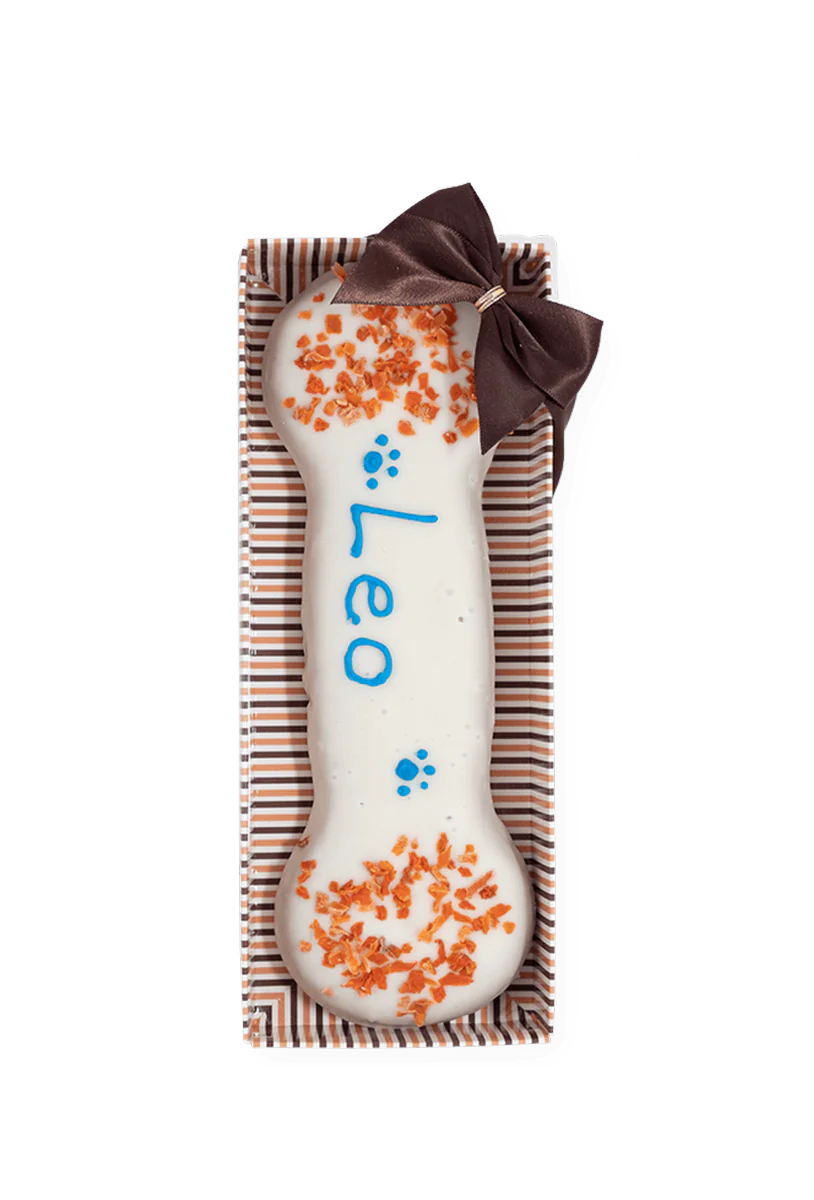
Fancy making your own vegan dog treats? Check out our quick & tasty homemade recipes! The vegan dog treats market is full of new and tasty ideas for dogs – even the Laughing Dog farm bakery now has its very own vegan dog treat, Fruity Paws, made with strawberry and peanut butter flavour! With many dog owners choosing to vegan dog treats for their four-legged friend, it’s fast becoming a new and growing area of everyday treats as well as puppy training treats. Whether you’re vegan yourself or just prefer to feed and handle plant-powered dog treats, there are some super ideas available for dogs – from veggie treats to superfood recipes! Many of our Laughing Dog customers like to feed a mixture of different treats, and we’re really proud to be able to offer something for everyone. What is a vegan dog treat? A meat-free dog treat is not necessarily vegan. Just like in the human diet, for a treat or meal to be vegan it must not use or contain any products derived from animals. Here are some examples: While our Laughing Dog personalised dog treats are vegetarian (they are meat-free), these special treats are hand-decorated with yoghurt, which of course contains milk. A few years ago, we used to make a breakfast meat-free dog treat containing honey. Whilst this was classed as a vegetarian dog treat, because it used honey it couldn’t be classed as vegan. Making a vegan dog-friendly treat was always a creation we wanted to make at Laughing Dog, and in 2020 we finally achieved our ambition. Made with oats from our family farm in Britain, linseed, potato and ginger, we can safely say that this treat is vegan, vegetarian and naturally wheat free. The PFMA have a brilliant vegan diet worksheet which talks you through vegetarian and vegan food for dogs if you’d like to find out more. Making your own vegan dog treat recipes Our nutritionists have put together some really tasty ideas for you to try at home. They are always coming up with new and delicious ideas (their lab smells amazing!). As with all of our treats, these recipes are intended for occasional use only. We also recommend always supervising your dog when eating, and ensuring they have access to plenty of fresh, clean water. Spinach, courgette & carrot dog treats Ingredients you will need: 1 cup pumpkin puree 1/4 cup dog-friendly peanut butter (Xylitol free & free from palm oil) Olive oil (approx 3 table spoons) 1/2 cup oats 3 cups whole wheat flour (or you can use sweet potato flour if you’d prefer to be wheat free) 1 carrot shredded 1 courgette shredded 1 cup baby spinach chopped Into the mixing bowl: Line a baking tray with grease-resistant paper. Pre-heat oven to 180C. Mix all the ingredients together, adding the oil slowly to create a cookie dough consistency. Divide into small rounds, rolling in your hands to create a small ball shape and then flatten to a cookie shape. Bake for 20 mins or until the treats are golden brown. Once cool, serve to your dog! Ginger & pumpkin dog treats Ingredients you will need: 1/2 cup coconut flour (dog-friendly) 4 tbsp dog-friendly peanut butter 8 tbsp canned pumpkin puree 1/2 tsp cinnamon 1/4 tsp ginger Finely crushed Laughing Dog Fruity Paws Dog Treats How to make your homemade dog treats… Mix together all your ingredients. If the dough is a bit crumbly, you can add small amounts of peanut butter, working the dough to help the oil bring the dough together. Break small amounts of dough off and roll into balls or sausage shapes.Next, crush your Laughing Dog baked treats into fine crumbs. Roll the balls of dough into the treat crumbs to finish. There is no need to oven-bake! Serve to your four-legged friend! Send us your homemade creations Enjoy making your homemade dog treats, and be sure to send us your creations so we can share them on our Instagram at @Laughingdog. And if you have any requests for certain ingredients or flavours, be sure to let us know – as more new Laughing Dog treats will be coming soon! Our treat recipes are intended for occasional use only. Always ensure your dog is supervised when eating and had access to plenty of fresh, clean water.
Learn more
Halloween Dog Treats Recipe
Halloween dog treats made easy! Our Laughing Dog ‘Halloween Truffles for Dogs’ is a homemade dog treat recipe that’s easy to make but guarantees lots of tail-wags! No baking required. Halloween dog treats – no bake recipe! Our tasty Halloween dog treat recipe – Halloween Truffles for Dogs – is a homemade dog treat that’s easy to make but guarantees lots of tail-wags! With no baking required, this pumpkin dog treat is simple to make but jam-packed with lots of tasty ingredients that will be sure to make your dog feel part of the fun! This ingredient is also super fun for all the family. Ingredients you’ll need to make your delicious doggy treats: 1/2 cup flour (dog-friendly) 4 tbsp dog-friendly peanut butter 8 tbsp canned pumpkin puree 1/2 tsp cinnamon 1/4 tsp ginger Finely crushed Laughing Dog baked treats (Sleep Tights, Fruity Paws and Cheesy Bites) How to make your Halloween dog treats… Now that you’ve collected all of your Halloween inspired ingredients, it’s time to start the fun bit! Combine the coconut flour, dog-friendly peanut butter, pumpkin, cinnamon and ginger. If the dough is a bit crumbly, add small amounts of peanut butter, working the dough in your hands to help the oil bring the dough together. Break small amounts of dough off and roll into balls. Next, crush your Laughing Dog baked treats into fine crumbs. Roll the balls of dough into the treat crumbs to finish. Serve your Halloween dog treats to your four-legged friend! **Please note:Peanut Butter – ensure this is a natural dog-friendly peanut butter choice with no added sugar (must not contain Xylitol as this is toxic for dogs. Palm oil must also be avoided as this can be harmful for dogs in excess). Canned pumpkin. Plain canned pumpkin is easy to feed your dog as you don’t need to cook it. Ensure it doesn’t have additives, and serve it directly. Freshly baked pumpkin. To prepare fresh pumpkin, remove the seeds and bake it in your oven until it is soft. These Halloween dog treats are for occasional use only. Always supervise your dog when eating, and ensure plenty of fresh drinking water. Looking for more homemade dog treat ideas? Good Housekeeping has some really brilliant ideas for dog treats – check out their ‘best homemade dog treats‘ post which includes an array of different fruits and flavours, including of course our favourite for this season – veggie broth, carrot, pumpkin and peanut butter! There are even some ideas in here that you can freeze too! Another of our favourite blogs is Puppy Leaks. They have a great post which features simple dog treat recipes that can be made with 5 ingredients or less. Their Ginger Apple Dog Treat sounds the perfect treat to us…. and is another really simple recipe to make at home! There are also countless carrot and sweet potato cookie treat ideas too (naturally grain and gluten free), which will certainly go down well at any time. The fact that most of their dog treats are made with limited ingredients is great for keeping cost down and helping you to find the perfect treat for your dog if they have any particular dietary requirements, or need to avoid certain ingredients. Last year Rachel and Layla made dog treats that were naturally oven-baked and also used pumpkin in the recipe! If you’ve got a bit more time on your hands, this dog treat recipe is also just as tasty, and fills the kitchen with a delicious baked aroma, which we know dogs love. Psst. If you don’t have the time to make treats, check out our oven-baked dog biscuit bones …perfect for all occasions! Remember though that all treats are just for occasional use only – and you need to ensure that you are not over-feeding your dog. We also advise that you ensure your dog has access to plenty of clean, fresh water too. Don’t forget to show off your great baking skills and tag us on Instagram at @LaughingDog.
Learn more