News

Paws and Play: Bank Holiday Activities to Do With Your Dog in the UK
Bank holiday weekends in the UK are the perfect excuse to take a well-earned breather—and who better to spend that extra day off with than your four-legged friend? Whether you’re after an adventurous day out, a relaxing break, or just something different to do together, there are plenty of pup-approved ways to make the most of your bank holiday. From coastal runs to cafe cuddles, here are some tail-wagging activities to try with your four-legged sidekick. Hit the Beach (and Don’t Forget the Tennis Ball!) Britain’s coastline is full of gorgeous, dog-friendly beaches where tails wag wild and free. Pack a picnic, bring a squeaky toy, and let your pup go full sand-sprint mode. Favourites include Holkham Bay in Norfolk, Rhossili Bay in Wales, and Bamburgh Beach in Northumberland. Tip: Some beaches have seasonal restrictions for dogs, so always check before you go. And bring a towel—there will be soggy paws. Explore a National Trust Gem Many National Trust locations across the UK welcome dogs (on leads) to wander their scenic grounds. From ancient woodlands to sprawling estates, there’s no shortage of sniff-tastic places to explore. Pack a flask, pop on your wellies, and treat your dog to a stroll fit for royalty. Look for places like: Clumber Park (Nottinghamshire) Castle Ward (Northern Ireland) Croome (Worcestershire) They even have a “Dogs Welcome” tag on their website to make planning easier! Paw-some Pubs and Dog-Friendly Cafes Nothing says “British bank holiday” like a cosy pub lunch—and luckily, many UK pubs roll out the red carpet for dogs too. Think water bowls, biscuits on arrival, and even doggie menus. In places like the Lake District or the Cotswolds, dog-friendly spots are practically the norm. Urban pup? No problem! Cities like London, Bristol, and Manchester have lots of cafes where dogs are greeted like VIPs (Very Important Pups). Go on a Countryside Walk If your dog loves long walks and muddy adventures, take advantage of the UK’s endless public footpaths and bridleways. From Yorkshire’s rolling dales to the South Downs’ gentle hills, there’s a walk to suit every level of energy (hooman and canine alike!). Don’t forget the essentials: Lead and harness Poop bags (always!) Portable water bowl Snacks (for both of you, obviously) Try a Bank Holiday Dog-Friendly Staycation Why not turn the long weekend into a mini holiday? The UK is bursting with dog-friendly accommodation, from boutique hotels and rustic cabins to glamping pods and canal boats. Apps like “Canine Cottages” and “PetsPyjamas” make it super easy to find a spot that welcomes waggy-tailed guests. Your dog will love the change of scenery, and you’ll love the chance to truly unwind—plus, there’s nothing better than curling up in a country cottage with a snoring pup by your feet. Have a Garden Paw-ty Staying local? No worries! You can still make the most of the bank holiday with a little creativity. Fire up the BBQ (get some dog-safe sausages on the go), set up a paddling pool, and invite a few dog-loving friends over for a chill garden party. Add some tunes and doggy party hats for peak cuteness. You could even set up a mini agility course or do a “best trick” competition for extra fun. Attend a Dog Show or Event Bank holidays often bring out the best in local communities—including dog-themed events! From village fetes to full-blown dog festivals, there’s usually something going on nearby. Think agility demonstrations, dog shows, paw-print painting, and treat tastings. Keep an eye on local listings or dog-friendly websites like DogFriendly.co.uk to see what’s happening near you. Whether you’re chasing waves, exploring woodland trails, or just sharing a scone at a local cafe, the best part of any bank holiday is spending it with your favourite furry friend. With just a bit of planning (and maybe a few Laughing Dog treats), you and your dog can turn a day off into a day to remember. So grab the lead, lace up your boots, and let your dog lead the way. After all, their idea of a perfect day usually involves you, fresh air, and plenty of tail wags. Happy bank holiday!
Learn more
How to Make a Puppuccino for Your Pooch: A Tail-Wagging Guide
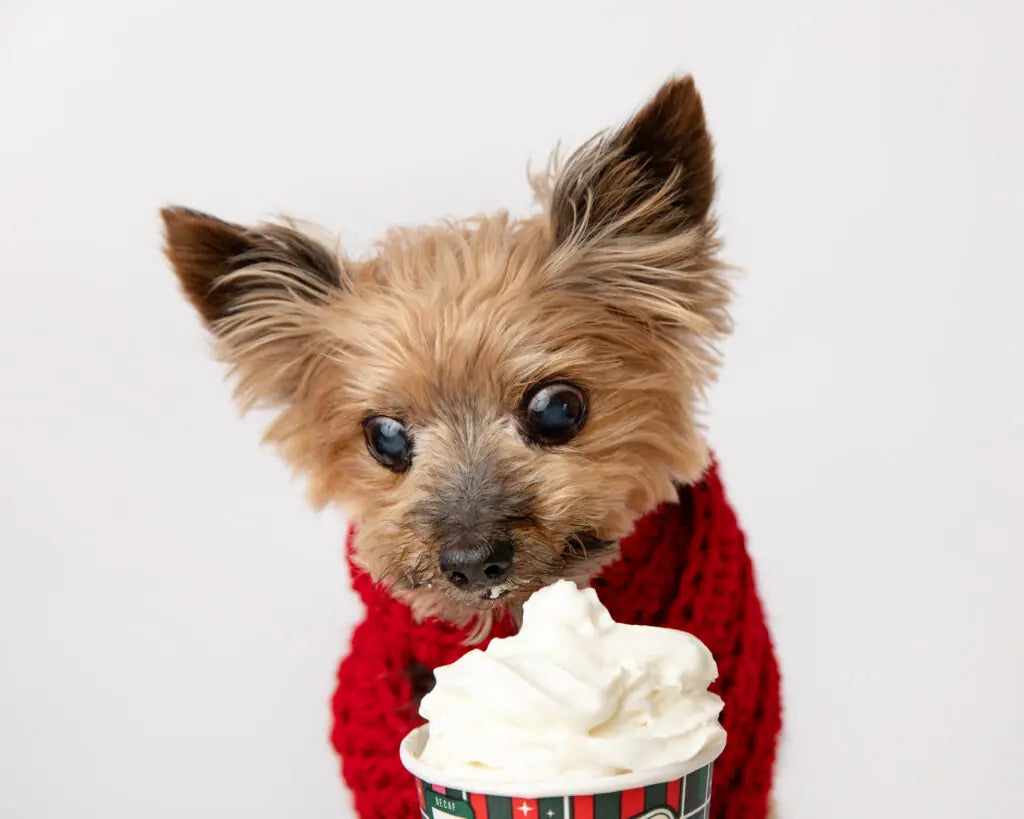
With summer days just around the corner it’s the paw-fect time to enjoy your morning cappuccino al fresco but what about your four-legged friend. Are they giving you the eyes (you know the ones), and you just know they’re thinking, “Hey… where’s mine?” We have the answer, a puppuccino recipe for even the fussiest of dogs — a frothy, dog-safe delight that says, “You’re not just a pet, you’re family… and you deserve whipped cream too.” Whether you’re looking to spoil your pampered pooch on a Sunday morning or just want an indulgent pick-me-up for both of you, making a puppuccino at home is easy, safe, and adorable. What Is a Puppuccino? A puppuccino is a small serving of whipped cream, typically served in an espresso-sized cup or tiny bowl. It’s a treat, not a meal! The classic version is just plain whipped cream, with no sugar substitutes, no chocolate, no extra — just light, fluffy, tail wagging joy. Puppuccino at Home: DIY Style Ready to whip it up? Here’s how to make a safe, dog-friendly puppuccino from scratch! Simple Puppuccino Recipe Ingredients: 1–2 tablespoons of unsweetened, plain whipped cream(You can use canned, but make sure it’s xylitol-free — xylitol is toxic to dogs!) Optional: A sprinkle of dog-safe toppings like crushed kibble or mixer (our traditional mixer would be ideal), a tiny dog biscuit like our Fish & Tricks, or even a blueberry Directions: Spoon the whipped cream into a small cup or bowl. Add toppings if you want to make it extra special. Let your pup enjoy the sophisticsted creation you have made. Want a puppaccino with a Twist? Some pups are sensitive to dairy, so here are a couple of tummy-friendly alternatives: Coconut Cream Puppuccino Chill a can of unsweetened coconut milk, scoop out the thick cream on top, and whip it for a light, dairy-free option. Serve chilled in a cup — creamy and perfect for sensitive tummies (be sure to only offer a small cup as cocnut milk often contains a high fat content). Pumpkin Puppuccino Mix a spoonful of plain tinned pumpkin with a spoonful of plain Greek yogurt or coconut cream. Pumpkin is great for digestion and makes a lovely seasonal flavor (Pumpkin Spice Pupuccino, anyone?). Puppuccino Do’s and Don’ts Do: Use plain, unsweetened whipped cream or a safe alternative. Check ingredient labels for xylitol (this is super important as it’s toxic to dogs). Keep servings small — it’s a treat, not a daily drink. Watch for any signs of an upset tummy. Don’t: Add chocolate, sugar, artificial sweeteners, or flavourings. Assume all dairy is safe for every dog (some are lactose-intolerant). A puppuccino is more than whipped cream in a cup — it’s a way to share a moment with your four-legged friend (with a side of tail wags). So go ahead: whip one up, grab your coffee, and enjoy!
Learn more
The Scoop on Dog Poo: A Guide to What Is Normal
Let’s talk about something all paw-parents deal with — dog poo! That’s right, we’re diving into the world of your four-legged friends’ poo-business, because when it comes to your dog’s health, their stool can tell you a whole lot! Yes, it might not be the most glamorous part of being a dog parent, but checking out your dog’s number two is actually one of the easiest ways to keep tabs on their well-being. From frequency, colour to consistency, all of these are indicators of a healthy dog. What Does a Healthy Dog Poo Look Like? A good dog poo usually shares these traits: Chocolate brown in colour Log-shaped and firm, but not rock-hard Moist (a play doh consistency) Easy to pick up If this is your pup, the chances are they have a very happy tummy! What if your dogs’ poo is soft and a little mushy? If it’s shaped but mushy, kind of like soft ice cream, your dog might be going through: A mild dietary change – we always advise a slow transition to a new food over 7-10 days to help allow sensitive tummies to adjust to their new feed A snack they weren’t supposed to have – not all human food is good for a dog’s digestion, however much they want to try what we are eating Stress or excitement -yes, dogs get the nervous poos too! A soft, mushy poo is usually not a big deal unless it sticks around for more than a day or two, if this is the case get in touch with your veterinary clinic for more guidance. Is Your Dog Suffering with Diarrhoea? If your dogs’ poo is runny or even pure liquid, this can be a cause of concern. Whether it’s due to adjusting to a new food or medication or even being slightly stressed it can all have an unpleasant effect on your pup’s tummy. Occasionally it can also be a sign of an underlying health condition. Could be caused by parasites Infections Food allergies Call your vet if it lasts longer than a day or if there’s vomiting, lethargy, or blood. Diarrhoea is a symptom, not a diagnosis. Remember – dehydration is always a risk when your dog is suffering from diarrhoea -especially in puppies. Is your dog pooing hard dry lumps? Tiny, hard, dry poos can be a sign of: Dehydration – increase their fluid intake. Constipation Not enough fibre Not moving enough – up their exercise schedule slightly if possible Holding it in too long If it keeps happening, it might be time for a visit to the vet to ensure your pup is not uncomfortable. The Colours of Dog Poo – what is normal? The colour of our dogs’ poo can help indicate a lot. Chocolate Brown: All good! Green: Could be grass, or gallbladder issues. It may just be down to eating a lot of the green good stuff but worth keeping an eye on. Yellow or Orange: May indicate liver or biliary issues – ask your vet for advice. Black & Tarry: This could mean a small amount of internal bleeding — contact the vet as soon as possible for further guidance. Red streaks: Usually fresh blood from the colon or anus — possibly haemorrhoids or a scratch, but still worth checking. White spots or rice-like bits: Possible tapeworms! Not pleasant but treatable, contact your vet for advice. What about Puppies? If you have a new puppy and they are suffering with a runny tummy, this may be down to the stress (and excitement) of travelling to their new forever home and meeting their new family. Be sure to offer a constant supply of fresh clean water as diarrhoea in puppies can quickly cause dehydration. If this continues past a few days consult your vet for advice. Another thing to look out for in your puppies poos is spots of blood. Blood in your pups’ poo can seem alarming at first and in most cases is caused by a scratch in the colon or anus. However, as your pup is so young and their immune system being a lot weaker than older dogs, it’s definitely worth checking with your vet to rule out any illness or infection. Other Poo Clues to Watch out for We have checked of colour and consistency but is there anything else to look out for in your dog’s poo? Mucus: A jelly-like coating might signal inflammation in the colon. Frequency: Once or twice a day is normal for most dogs, but it depends on their diet and routine, if there is a sudden increase or decrease, consult your vet.. Straining: If your pup is trying to go but nothing’s happening, that’s a sign of constipation. Bum scooting – A common action for dogs especially if a loose stool is their ‘norm’, if this suddenly becomes more frequent, your dog may be a little uncomfortable and a visit to the vets might help. A good poo can make your dogs’ day, and a bad one can help you catch issues before they become serious. So next time you bend down to scoop it up, give it a quick glance. Monitoring your dog’s poo isn’t weird — it’s responsible! We know you know your beloved four-legged friend better than anyone, so if you have any causes for concern about your dog’s health and wellbeing, contact your trusted veterinary clinic for guidance as soon as possible.
Learn more
Spring into Action: Fun Ways to Keep Your Dog Active This Spring
As the days grow longer, the flowers begin to bloom, and the cooler days melt away, spring brings the perfect opportunity to refresh your four-legged friends exercise regime. Whether your dog is an energetic bundle of zoomies or a laid-back ambler who needs a little motivation, keeping them active is key to their physical health and mental well-being. Here at Laughing Dog we have put together some exciting ways to get your pooch moving and make the most of the beautiful spring weather! Explore New Trails Spring is an ideal time to venture out and discover new walking or hiking trails, The National Trust has a great list of pup-friendly places to visit. The cooler temperatures and scenic landscapes are ideal for creating the perfect adventure for both you and your dog. Look for dog-friendly parks or nature reserves with varied terrain to keep your dog engaged and stimulated. Organise a Doggy Playdate If your dog loves socialising, spring is a fantastic time to set up playdates with other canine- friends. Meeting up at a dog park or hosting a garden party get-together allows your pup to exercise while enjoying a fun playtime. Plus, it’s a great way for you to connect with fellow paw-parents! Try Agility Training Agility training is an excellent way to boost your dog’s physical fitness and mental sharpness. Set up a simple obstacle course in your garden using cones, tunnels, and jumps. Not only does this improve coordination, but it also strengthens your bond as you guide them through the course. Go for a Swim If you have access to a dog-friendly beach, lake, or pool, swimming can be a fantastic low-impact workout. Many dogs love splashing around, and swimming is gentle on their joints while providing excellent cardiovascular exercise. Always ensure safety by keeping a close eye on your pup and using a canine life vest if needed. Play Interactive Games Games like fetch, tug-of-war, and hide-and-seek are wonderful ways to keep your dog moving. Teach a New Trick Mental stimulation is just as important as physical exercise! Spring is a great time to teach your dog new tricks or reinforce old ones. Training sessions not only keep them engaged but also improve their obedience and focus. Visit a Farmers Market or Outdoor Café Many farmers markets and outdoor cafés welcome well-behaved dogs, making them a fun outing for social and curious pups. Walking through the market, meeting new people, and experiencing different scents and sounds provide valuable enrichment for your dog. Set Up a Doggy Treasure Hunt Hide your favourite Laughing Dog treats or toys around your garden and encourage your dog to sniff them out. This engages their natural hunting instincts and provides both physical and mental stimulation. It’s a fun way to encourage movement while giving your dog a rewarding challenge. Go on a Canine Camping Trip If you’re feeling adventurous, why not take your pup on a camping trip? Many campsites are pet-friendly and offer the perfect opportunity for long walks, outdoor play, and quality bonding time with your furry best friend. Enjoy Evening Walks With the days getting longer, take advantage of the extended daylight hours by going for evening strolls. The cooler temperatures make it an enjoyable time for both you and your pup to unwind while getting some exercise. Although the weather can’t always make its mind up, a lot of the ideas we have mentioned can become indoor friendly exercise with just a few tweaks. Be sure to create a safe exercise space before attempting any indoor pup activities. A spare room or hallway may make the paw-fect space. Indoor friendly exercises can include. Hide-and-seek Tug-of-war An indoor obstacle course Fetch Whatever activity you and your pup choose, you’re bound to have lots of fun keeping fit this spring! So grab that leash, embrace the fresh air, and make this spring a season of tail-wagging adventures!
Learn more
Give Your Dog A Hug – The Benefits Of Hugging Your Dog
Dogs are more than just pets; they are loyal companions, family members, and sources of unconditional love. As dog owners, we want our furry friends to be happy and healthy. One of the best ways to ensure their well-being is to give your dog a hug and showering them with affection. While some might worry about “spoiling” their pup, the truth is that affection has numerous physical, emotional, and psychological benefits for dogs. From strengthening your bond to reducing anxiety, giving your dog love is one of the most rewarding aspects of pet ownership. Strengthening the Bond Between You and Your Dog Affection is a powerful tool for building trust and a deep bond with your dog. Just like us humans, dogs crave love and connection. Petting, cuddling, and speaking in a gentle voice reinforce their sense of security and attachment to you. A dog that receives regular affection is more likely to see you as their trusted guardian and will be more responsive to training and commands. This strong bond can make your dog more obedient and eager to please, leading to a harmonious relationship between you and your pup. Emotional Benefits: Reducing Stress and Anxiety Dogs experience emotions just like we do, and affection plays a crucial role in helping them manage stress and anxiety. When you cuddle or pet your dog, their body releases oxytocin, often referred to as the “love hormone.” This hormone helps reduce stress levels and promotes feelings of happiness and relaxation. For dogs that suffer from separation anxiety or fear-related behaviours, consistent affection can help them feel more secure. Many dogs find comfort in a reassuring touch or gentle words, especially in stressful situations like thunderstorms, fireworks, or visits to the vet. By providing love and comfort, you can help your dog feel safer and less anxious in challenging situations. Physical Health Benefits The benefits of affection aren’t just emotional; they also extend to your dog’s physical health. Studies have shown that regular petting and positive interaction with their owner can help lower a dog’s heart rate and reduce blood pressure. Dogs that receive plenty of love and attention tend to be healthier overall, with improved immune function and a reduced risk of developing stress-related illnesses. Additionally, engaging in affectionate activities such as belly rubs, massages, or even gentle grooming can help improve circulation and joint mobility in older dogs. Regular affection can also encourage physical activity, as dogs often respond with playful behaviour when they receive attention from their owner. Reinforcing Positive Behaviour Affection can be a great way to reinforce good behaviour in dogs. While treats and praise are commonly used for training, petting and cuddles can also be powerful rewards. If your dog follows a command, greets guests calmly, or exhibits good manners, rewarding them with affection strengthens the behaviour. Over time, they learn that positive actions lead to love and attention, making them more likely to repeat those behaviours. Affection and Socialisation Dogs that receive regular affection from their owners tend to be more confident and well-socialised. They learn to associate human touch with comfort and security, making them more accepting of handling by others, including veterinarians and groomers. A well-socialised dog is less likely to be fearful or aggressive around new people or situations, leading to a more well-adjusted and happy pet. Knowing Your Dog’s Preferences While affection is beneficial, it’s important to understand that every dog has different preferences. Some dogs love belly rubs, while others prefer ear scratches or a gentle back rub. Pay attention to your dog’s body language and respect their boundaries. If they pull away or seem uncomfortable, give them space. Understanding their unique preferences strengthens your bond and ensures that your affection is always a positive experience for them. Showing affection to your dog is one of the most fulfilling parts of being a pet owner. Not only does it make your dog feel loved and secure, but it also has significant benefits for their emotional and physical well-being. Whether it’s a belly rub, a cuddle on the couch, or simply speaking to them in a loving tone, every bit of affection strengthens your relationship and enhances your dog’s quality of life. So go ahead—give your pup some extra love today. They deserve it, and the benefits will last forever!
Learn more
Laughing Dog Food Subscription – Top Tips
Our Laughing Dog Food subscription service offers you 15% off every order and free *next-working-day delivery for all orders over £40 to UK Mainland postcodes at a frequency that suits you. All details can be amended in your online Laughing Dog account (once fully active), giving you full control, so sit back, relax, and enjoy your hassle-free delivery. Here is our subscription how-to guide, if you are thinking of creating a subscription or want to brush up on the features as a subscriber already. With our Laughing Dog food subscription service you will be able to: Amend your products Alter your frequency Hold multiple subscriptions under one account Amend billing and shipping information Amend card information Pause or cancel subscriptions at any time …and so much more! How-to Guide: Log into ‘My Account’ on our website. If you don’t already have one, simply register. Go to the shop and find the complete food, treats, or mixer meal that you would like in your subscription (perssonalised items and limited edition products are not available on subscription). Select the weight and click ‘subscribe and save’. This will display your subscription price including the 15% discount you receive on every dog food subscription, which is automatically built in. Next, select how frequent you would like your delivery to be.If you would like to add lots of different products in your subscription i.e., complete and treats. Just make sure you add them all to your basket before you checkout. Now go to your Shopping Basket to ensure you've got everything you need in your subscription; if you wish to purchase some other products as a ‘one off’ then don’t worry; you can do this at the same time you set up your subscription, then you do not need to do a separate transaction. You will be able to check out all items at once. Check out and pay as normal. The discount will be automatically applied to the basket for all eligible items. Depending on your frequency, a payment will be automatically taken from your account on the date you set it. Sit back and relax, knowing your naturally delicious dog food will be delivered to your door. What changes can I make to my Laughing Dog Food Subscription? Once your dog food subscription is set up, you will be able to amend: Billing address Shipping address Frequency Billing date Products How do I access my dog food subscription? Go to ‘My Account’, and log in, you will be presented with your account dashboard and from there you will be able to access your subscription by clicking on ‘Subscriptions’. How do I edit the frequency of my dog food subscription? On your subscription, you will see the option to ‘edit’. It will bring up parts of your subscription that you can amend at that point. Once you have amended the details you wanted, click ‘Save Subscription.' If you wish to bring the date forward, simply click the relevant date on the calendar, and it's the same process if you wish to move the date of your subscription out, just choose a day from the calendar. How do I change my payment date? If you wish to bring the date forward, simply select a relevant date on the calendar, and it's the same process if you wish to move the date of your subscription further out, just choose a day from the calendar. How do I change my shipping address? You can amend your shipping address as many times as you would like. Simply select ‘Edit’ and update your address as needed. Can I change my billing? You can amend your billing address by going into ‘Account Information’ by accessing ‘My Account’. Can I update my card details? Simply go into the subscription that you wish to update your payment details, ‘Edit’ and enter your new card details then save changes. Can I pause or cancel my dog food subscription? You can pause or cancel your dog food subscription at any time. To pause your subscription, go to ‘Subscriptions’ then choose the subscription you wish to pause and select ‘Pause’. If you wish to cancel your dog food subscription, go to ‘Subscriptions’, chose your subscription, and select ‘Cancel’. Once all your dog food subscriptions are cancelled, your account will revert to a standard Laughing Dog customer account, no longer enabling you to enjoy a 15% discount. Free delivery is only available on purchases over £40. Can I have my order early? Yes! If you need your subscription a little sooner than planned, you should be able to select this from the calendar. If you select to trigger your subscription same day, please be aware that order processing times apply. Anything triggered before 11:30am will be dispatched the same working day, anything triggered after this time will be dispatched the next working day. Please note that we do not process any orders on weekends or bank holidays. My payment has failed, what do I do? If your subscription payment has failed, our payment system, Stripe, will automatically retry the payment in 3 days. If you require your order prior to this, please contact us on 0800 098 8057 to retry the payment. Although, our team cannot create a subscription on your behalf, they are more than happy to talk you through the process. Call us on 0800 098 8057 choosing option 1, Mon – Fri, 8-5 and we will be happy to help!
Learn more
Preventing a Pesky Problem – Ticks and Mites
For paw-parents there is constant list of things to look out for when it comes to pooches. Today we’re diving into a topic that’s as pesky as a fly at a picnic—ticks and mites! While these little critters might be small, they can cause big problems for our furry friends. But fear not armed with knowledge and a dash of love, we can keep our pups safe and comfortable. What Are Ticks and Mites? Ticks are spider-like small parasites that suck blood from other animals. They have eight legs with an oval body that darkens as it fills with blood. These pests don’t fly or jump but instead climb or land on your dog. Mites are tiny creatures with a hard exterior, these parasites look like teeny tiny black dots on your pup’s skin but can cause great irritation. How will Ticks and Mites affect your four-legged friend? Ticks: These little parasites latch onto your dog’s skin, sucking blood and potentially transmitting diseases. Their bite might seem like a minor nuisance, but in some cases, it can lead to serious health issues. Mites: From causing that relentless itch to leading to skin infections, mites are another common culprit behind canine discomfort. Some mites, like the ones causing mange, can make your pup’s coat less fluffy and their skin sore. How to spot signs your dog has these unwanted visitors. Excessive Scratching and Biting: If your pup is constantly licking or scratching a particular spot, it might be trying to tell you something. Red, Irritated Skin: Look out for bumps, scabs, or redness, especially around the ears, neck, or legs. Hair loss. Head shaking. Scabs and open sores. Excessive licking. Ear discharge. Dry, flaky skin. Visible Pests: With a little patience and a close look, you might even spot a tick or notice the tell tale signs of mite infestations. If you are unsure if your furry-friend has ticks or mites, please consult your veterinary practice who will be able to offer further guidance. Preventing a Pesky Problem Prevention is always better than cure—especially when it comes to ticks and mites! Regular Grooming: A well-groomed dog is less likely to harbour these pests. Brush your dog’s coat often and check for any unwanted guests. Tick Preventatives: There are plenty of safe, vet-approved treatments available that repel or kill ticks and mites before they become a problem. Garden Maintenance: Keep outdoor areas trimmed and clear of tall grass to reduce the likelihood of encounters with ticks. Frequent Check-Ups: Regular visits to your vet can help catch any issues early, ensuring your pup stays itch-free and happy. What To Do If You Find Ticks or Mites Finding a tick or noticing signs of mites can be a bit alarming but stay calm! Tick Removal: Use a fine-tipped tweezer to grasp the tick as close to your dog’s skin as possible, then gently twist and pull it out. If you’re unsure, ask your vet for help! Why not offer a Laughing Dog treat for being a brave pup Mite Treatment: Your veterinarian can recommend the best treatment plan, which might include medicated shampoos or topical treatments. Keep It Clean: If you’re dealing with mites, keeping your dog’s bedding and favourite blankets clean can prevent re-infestation. Ticks and mites might be tiny, but they can cause a big fuss if left unchecked. With a little vigilance, regular grooming, and the right preventative measures, you can keep your dog’s skin as soft and pest free. Remember, every cuddle and wag of the tail is worth the effort to keep our four-legged friends comfortable and healthy. We recommend consulting your vet to ensure any preventative measures or treatments are suitable for your four-legged friends individual needs.
Learn more
A New Puppy – See 5 Top Tips For A Smooth Home Coming.
For soon-to-be paw-parents, the prospect of bringing a tiny, tail-wagging bundle of joy into your life is nothing short of magical. Whether you’re an experienced pet owner or a first timer, preparing for your new puppy is an adventure filled with love, excitement, and just a sprinkle of chaos. Let’s embark on this puppy journey together and create a safe, fun, and loving haven for your new best friend! 1. Things to do before the big home coming! Try to create in advance a cosy, new puppy friendly hideaway. This could be an open crate with warm blankets or a soft bed in the corner out of the way. This is their pup safe haven- no hoomans allowed (unless invited). Register your new puppy with a local veterinary clinic. Check your new puppy is chipped. It is now a legal requirement that dogs over the age of 8 weeks should be microchipped. 2. Before your new puppy arrives and starts exploring every nook and cranny, it’s time to puppy-proof your space. Here’s a checklist to help you get started: Secure Cords and Small Objects: New puppies are curious by nature, so make sure electrical cords, small decorations, and anything easily swallowed are out of reach. Safe Spaces: Ensure that areas like stairs, balconies, or busy kitchens are either gated or supervised to prevent accidental mishaps. Household Hazards: Double-check for toxic plants, chemicals, or sharp objects that could make your little one poorly. Register for pet insurance. Spend some time before you collect your furry bundle of joy to research which policy will be best for your family’s needs as each insurance has different benefits. 3. Getting together your new puppy essentials. Food/water bowls – Look for durable, non-slip options that can withstand even the most enthusiastic lapping. A crate & or bed – size appropriate and extremely cosy. Food – Choose a high-quality diet tailored for growing pups—consult your vet for recommendations. (ask the Breeder what they have weaned the litter on to) We recommend Laughing Dog Puppy grain-free complete dry food, super tasty and gentle on tummies too! Treats – look out for feeding guidelines to make sure they are suitable for your new puppy. Laughing Dogs’ treats are suitable from 12 weeks of age. Collar, lead and tag – Start training early with a well-fitted collar and a sturdy leash, setting the stage for future adventures. Car restraint Toys- From squeaky toys to chew-resistant bones, a variety of toys will keep your new puppy entertained and help soothe teething discomfort. Puppy pads for training Poo bags (lots) A brush for grooming Puppy toothbrush Doggy toothpaste Dog shampoo Blankets (cosy and a few) 4. The big day has arrived – bringing your new puppy home! The day you bring your new puppy home to begin your new family adventures is incredibly exciting but can be a little daunting for both you and your pup! Try to remember when your new puppy comes home with you, he could be as young as 8-10 weeks old and leaving his surroundings and his mum for the first time. Travelling in a car with a new family and being introduced to a new environment with lots to explore is possibly the biggest adventure they will ever have in one day! Try to schedule their home coming for when you have a few days of work if possible, to help them settle in and slowly build the bond between you. Let your new best friend come to you in their own time, patience is key! Ask excited friends and family to give you a few days to help your pup feel confident in their new home before coming to say hello. Remember with a little time, trust will come and you will soon be their bestest friend for life so don’t worry if they aren’t running to you instantly. 5. Try to introduce house rules from the off! For example, If you really don’t want a dog sitting on your glorious new sofa, don’t let a new puppy get used to snuggles on there. Stair gates are a great way to create a physical boundary to help your pup understand before learning commands. Schedule a Vet Visit: A check-up within the first week is a great way to ensure your new friend is healthy and to get any essential vaccinations on track. As you prepare your home and heart for this new chapter, remember that every moment, from the first adorable misstep to the endless cuddles, is part of the beautiful journey of puppy parenthood. Embrace the playful chaos, relish the tiny paws and new puppy kisses, and know that you’re creating a lifelong bond with a furry friend who will bring immeasurable joy to your life.
Learn more
How to Keep Your Dogs Teeth Clean (and How Biscuits Can Help!)
A wagging tail, bright eyes, and a happy bark are all signs of a healthy dog—but have you checked your dogs teeth lately? Dental health is a key part of your dog’s overall well-being. Without proper care, plaque build up can lead to gum disease, bad breath, and even serious health problems. The good news? Keeping your dogs teeth clean can be both easy and delicious, especially with the right dental biscuits! Why Dental Health Matters Just like humans, dogs can develop plaque and tartar on their teeth. Over time, this can cause: Bad Breath: Nobody wants smelly dog kisses! Gum Disease: Inflammation and infection can lead to pain and tooth loss. Systemic Issues: Poor dental hygiene can affect your dog’s heart, liver, and kidneys. Taking care of your dog’s teeth ensures they stay happy and healthy for years to come. How to Keep Your Dog’s Teeth Clean Brush Their Teeth Regular brushing is one of the most effective ways to prevent plaque build up. Use a dog-specific toothbrush and toothpaste (never human toothpaste—it’s toxic to dogs). Start slowly and make it a positive experience with plenty of treats and praise. If your four-legged friend is a little nervous at first, try using a finger toothbrush and let them get used to it before trying to brush their teeth. Starting to brush your dogs teeth when they are a pup will help them feel more comfortable, but remember it’s never too late to start, even if you have a new furry family member arrive in their more senior years, brushing their teeth is just as important. It may take a little more patience if they aren’t used to the routine but it’s not impossible so keep with it. A minute of brushing is better than none and can be increased with time. Provide Chew Toys Chewing helps scrape plaque off your dog’s teeth. Look for durable toys designed to promote dental health. Use crunchy dog biscuits. Many products are specifically designed to clean teeth as your dog chews, but did you know a baked biscuit or mixer biscuit can also help. Chewing a crunchy biscuit can help remove plaque and tartar from your pups teeth helping to keep them clean and their breath fresh. These can be a tasty addition to their oral care routine. Schedule Regular Vet Check ups Your veterinarian can perform professional cleanings and check for any signs of dental issues. Incorporate Dental Biscuits Dental biscuits are a fun and easy way to maintain your dog’s oral hygiene. Let’s explore why they’re so effective. The Magic of Dog Biscuits Dog biscuits aren’t just a treat—they’re a functional snack that helps clean your dog’s teeth. Here’s how they work: Crunchy Texture: The act of chewing on a hard biscuit helps scrape away plaque and tartar. Special Ingredients: Many dental biscuits contain enzymes or ingredients that fight bacteria and freshen breath. Encourages Chewing: Chewing increases saliva production, which naturally cleans the mouth. Choosing the Right Dental Biscuit Not all biscuits are created equal! Look for options that: Contain wholesome, natural ingredients.Are appropriately sized for your dog. Small dogs need smaller biscuits, while larger dogs require something more substantial. Making Dental Care Fun Dental care doesn’t have to be a chore. Incorporate it into playtime or use crunchy biscuits as a reward after brushing sessions. Your dog will see it as a treat rather than a task! Pro Tip: Rotate between different flavours of crunchy biscuits to keep things exciting for your pup. Keeping your dog’s teeth clean is essential for their overall health and happiness. By combining regular brushing, chew toys, vet check ups, and delicious biscuits, you can ensure their pearly whites stay in tip-top shape. So, stock up on those crunchy biscuits, give your dog a big smile, and let the tail wagging begin!
Learn more